A simple guide to one of the most recognizable bonus mechanics in modern slot design.
Slot games continue to evolve through new mechanics, themes, and bonus experiences. Among the mechanics that have become particularly recognizable is Hold & Win, a format built around special symbols, locked positions, and a sequence of respins.
You may also see similar mechanics described as Hold & Spin, Hold & Respin, Link & Win, or Stick N Win, depending on the developer and game. The exact rules vary from title to title, but the core idea remains similar.
What Is Hold & Win?
Hold & Win is a bonus mechanic where special symbols, often represented by coins, lock onto specific positions on the reels.
Once the feature is triggered, the qualifying symbols remain in place while the remaining positions respin. New qualifying symbols can then join the existing collection.
The objective is generally to collect as many valuable symbols as possible before the respins are exhausted. This creates a very different rhythm from a traditional slot spin: instead of watching an entire reel set spin repeatedly, the player watches a collection gradually build on the screen.
How Does the Hold & Win Feature Work?
Although every game can use its own rules, a common Hold & Win structure follows a simple sequence.
1. Triggering the Feature
The feature usually begins when a specified number of special symbols, coins, tokens, orbs, gems, or themed bonus symbols land during the base game. The required number varies between games, so the game's paytable or information panel should always be checked for the exact trigger condition.
2. The Symbols Are Held
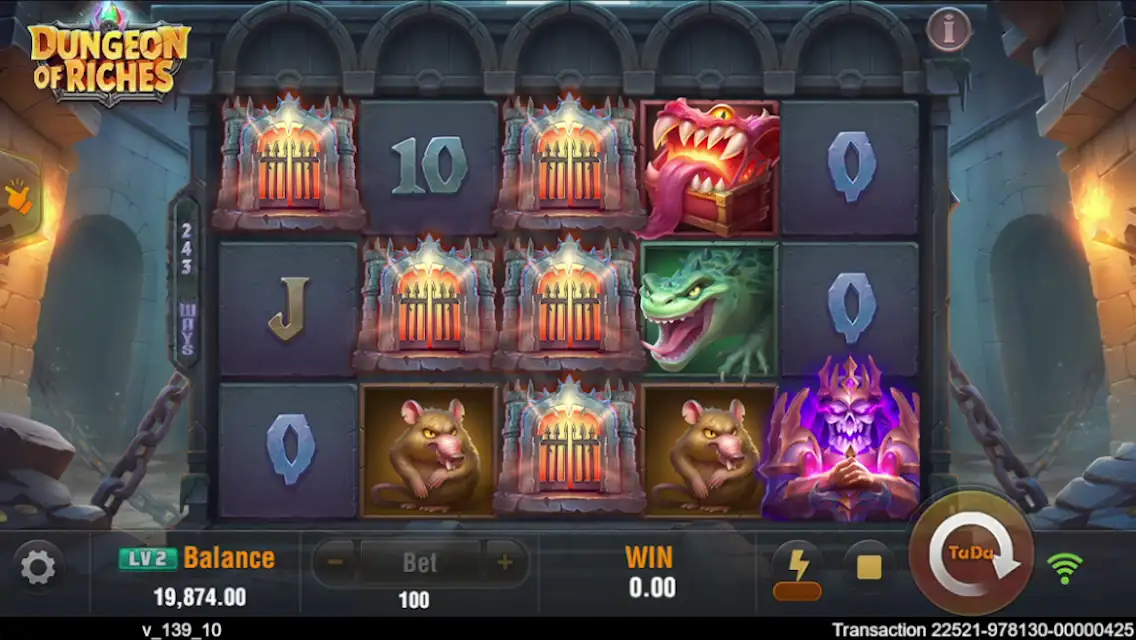
Once the feature begins, the qualifying symbols become locked in their positions. Their individual values remain visible on the screen while the other available positions become the focus of the respins. This is where the "Hold" part of Hold & Win comes from.
3. The Respin Sequence Begins
A common format starts with three respins. If a new qualifying symbol lands during a respin, it becomes locked and the respin counter is typically restored to three. If no new qualifying symbol appears, the counter decreases. The process continues as long as new qualifying symbols keep arriving or until the available respins run out.
Three respins are common rather than universal. Some games use different starting counts or alternative reset rules.
When the feature ends, the respin counter reaches zero, and the values displayed on the collected symbols are added together to determine the feature payout. Some games also include additional awards for specific outcomes, such as filling the entire grid or collecting particular combinations of symbols.
What Are the Symbols Worth?
The value structure depends entirely on the individual game. A Hold & Win game may include symbols carrying fixed cash values, bet multipliers, jackpot values, or special feature values.
Many games also include multiple jackpot tiers, commonly structured as Mini → Minor → Major → Grand, each with its own predefined reward. These jackpot tiers are game-specific features rather than requirements of the mechanic. Some Hold & Win games use only cash-value symbols with no jackpot system at all.
This is an important distinction: Hold & Win describes the core mechanic, while the individual developer decides how values, jackpots, and modifiers get built on top of it.
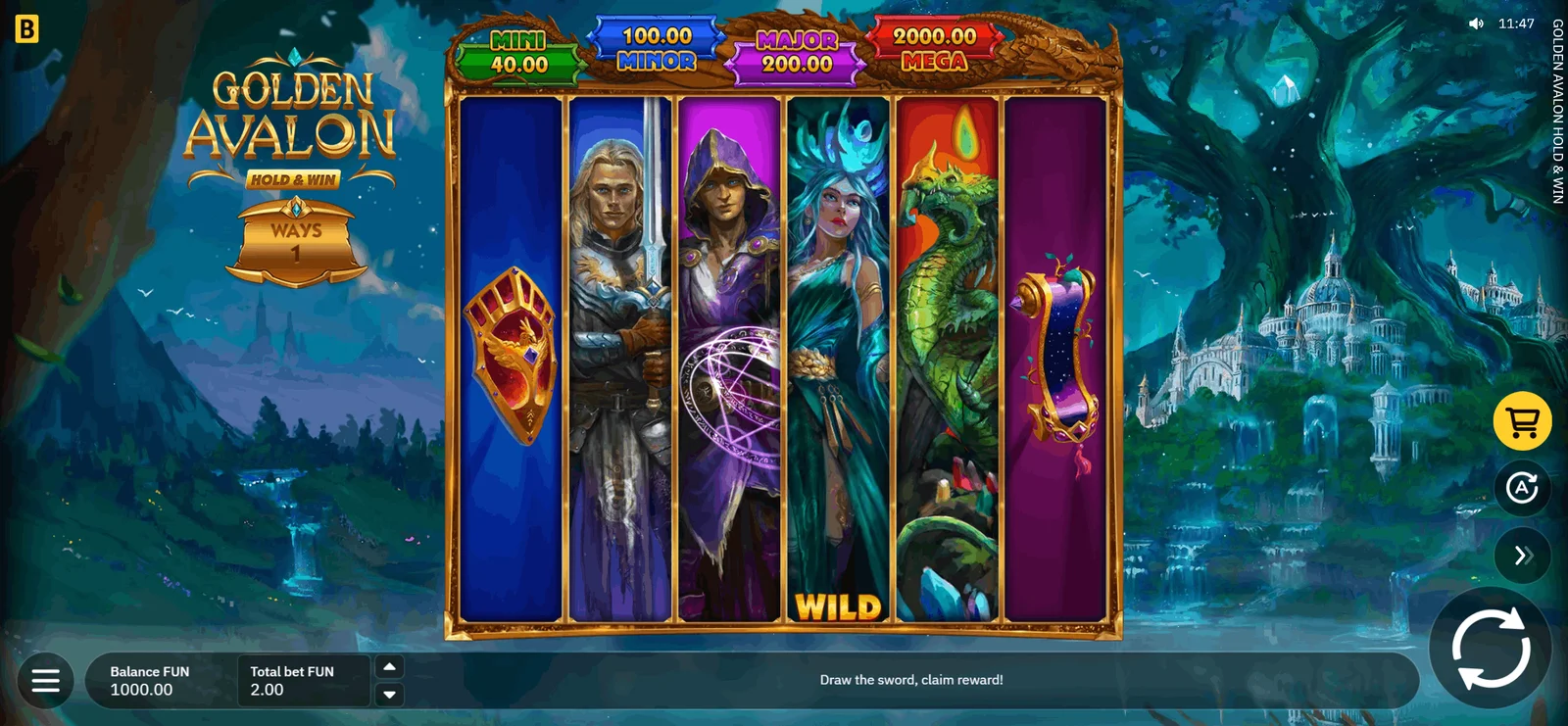
How Developers Add Their Own Twist
The basic lock-and-respin concept is relatively simple, but developers commonly build additional mechanics around it:
- Multipliers: Certain symbols can multiply collected values or the final feature payout.
- Collectors: A special symbol can collect values from other symbols on the grid.
- Expanding Grids: The bonus area can grow when specific symbols appear.
- Multiple Pots: Different groups of symbols can activate separate prize pools or features.
- Full-Grid Bonus: When every available position on the bonus grid becomes occupied by qualifying symbols, some games award a special full-grid prize or jackpot on top of the standard payout. This isn't mandatory for every Hold & Win game, but it's one of the format's most recognizable variations.
- Special Symbols: Games can introduce characters, themed objects, or modifiers that affect the bonus round.
These additions allow the same underlying mechanic to feel very different across different games.
Hold & Win vs. Free Spins
Both formats can be highly feature-rich, but their gameplay structures are fundamentally different.
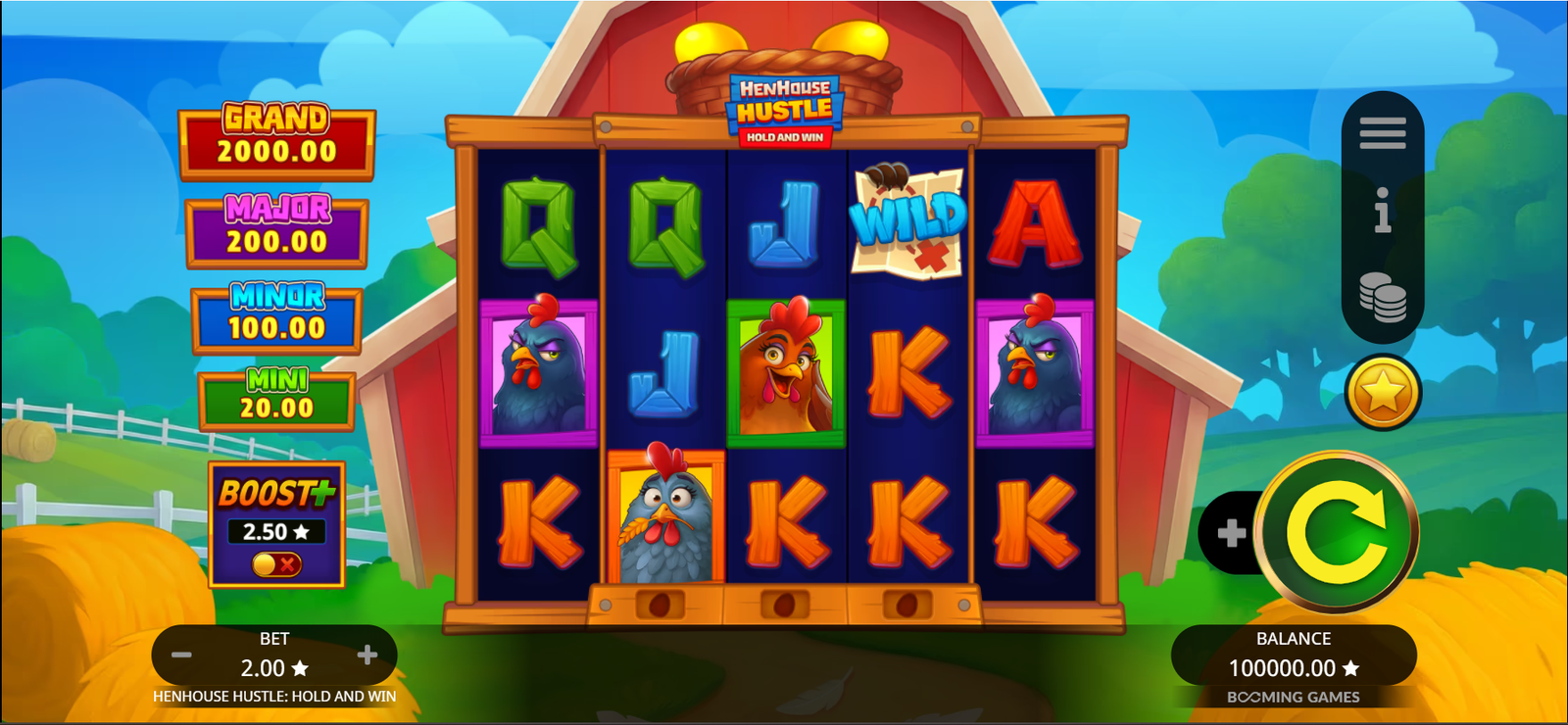
Why Hold & Win Works So Well
Part of the appeal is pure clarity. Players can immediately see what's been collected, how many positions remain, how many respins are available, and what values have accumulated. That visible, easy-to-follow structure is a large part of why the format has become one of the most recognizable bonus formats in contemporary slot design.
The rest of the appeal is creative flexibility. A coin can become a treasure chest. A gem can become a magical artifact. A token can become a character ability. A pot can become a jackpot container. The underlying mechanic stays familiar while the presentation changes completely, which makes Hold & Win particularly useful for studios working across very different themes, from mythology and adventure to fantasy, food, animals, and modern entertainment.
The Role of Volatility and RTP
Hold & Win does not automatically mean that a game has a particular volatility or RTP. These characteristics depend entirely on the individual game's mathematical model.
Two Hold & Win games can have completely different RTP percentages, volatility levels, trigger frequencies, maximum wins, symbol values, and jackpot structures. The mechanic describes how the bonus operates. The mathematical configuration determines how the overall game behaves, which is why checking the individual game's information panel still matters when evaluating any specific title. Understanding Slot Volatility
Discover More with iGamity
Hold & Win is a good example of how a relatively simple mechanic can support an entire creative framework, one that game designers, artists, animators, and sound designers can keep building on without losing what makes it recognizable.
At iGamity, we explore the mechanics, creativity, art, animation, sound, and production thinking behind modern iGaming. Through Game Reviews, Studio Spotlights, iGamity Talks, and educational articles, we highlight the ideas shaping the next generation of gaming experiences.