HOW SENIOR 2D ARTIST OLGA RYZHKOVA APPROACHES VISUAL HIERARCHY, CHARACTER DESIGN, PRODUCTION WORKFLOWS, AND PLAYER EXPERIENCE IN SLOT GAMES
Slot game art does more than create attractive visuals. It helps communicate game mechanics, establish visual identity, and guide the player's attention. From reel symbols to backgrounds and animations, every element needs to support the overall gameplay experience.
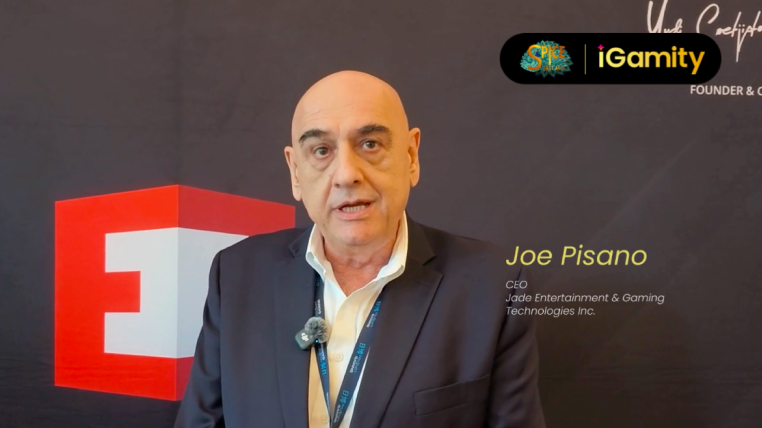
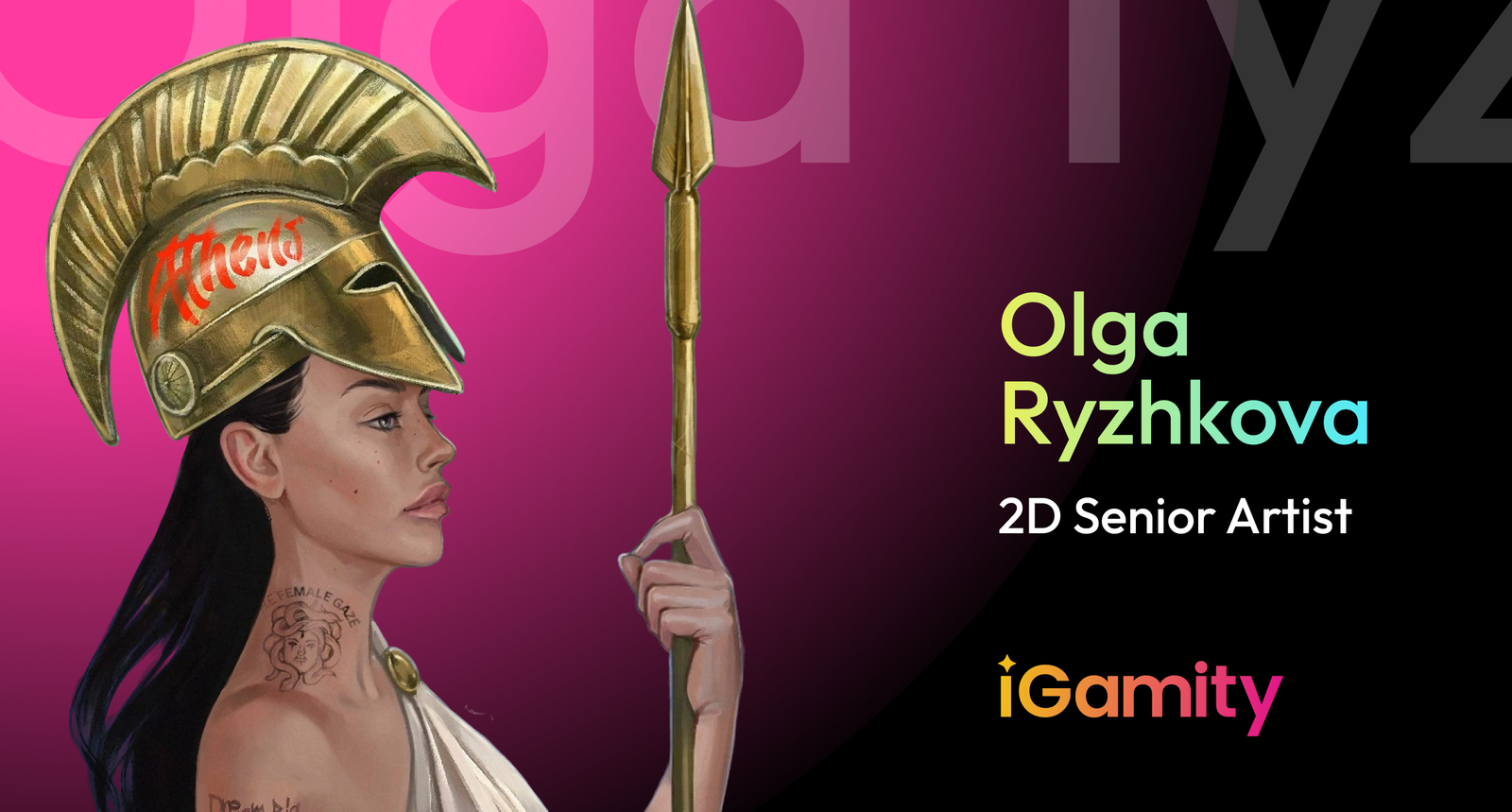
In this edition of iGamity Talks, Olga Ryzhkova, a Senior 2D Artist with over 12 years of experience in the game industry, shares her insights into slot game art, character design, visual consistency, and collaboration across game development teams.
HOW SLOT GAME ART SUPPORTS PLAYER EXPERIENCE
Unlike standalone illustrations, slot game artwork must work within the structure of a playable product. The reels and symbols need to remain the main focus, while backgrounds and decorative elements establish the game's atmosphere without distracting from gameplay.
Olga explains that effective composition begins with understanding the game design. Artists must consider how visual elements interact with the mechanics and how to create an engaging experience within the available space.
These constraints can also encourage stronger design decisions, helping artists balance visual appeal with clarity and functionality.
SLOT SYMBOL DESIGN AND VISUAL HIERARCHY
Slot symbols need to communicate their importance through visual design. Premium symbols often use stronger colour contrasts, distinctive compositions, and more prominent details to distinguish them from standard symbols.
Olga highlights how colour, composition, and shape language influence visual perception. Gold, red, and purple can help communicate importance, while the shape of a character can suggest personality. Angular forms may convey aggression, rounded shapes can feel more approachable, and square structures can suggest strength or stability.
The art style also needs to match the game's direction. Realistic, stylised, and cartoon-inspired characters can all work, provided they support the intended atmosphere and player experience.
BUILDING VISUAL CONSISTENCY IN SLOT GAME DEVELOPMENT
A consistent visual identity begins before production assets are created. Reference research, mood boards, sketches, and style exploration help establish the artistic direction that guides the team.
For larger production teams, these shared references provide a common foundation for creating symbols, backgrounds, interface elements, and promotional assets that belong to the same visual world.
As Olga's experience highlights, clear art direction helps reduce uncertainty during production and keeps individual contributions aligned with the overall game design.
HOW ART, GAME DESIGN AND ANIMATION WORK TOGETHER
Olga compares game production to building a human body. Game design provides the skeleton, establishing the mechanics and structure. 2D art adds visual identity and personality, while animation brings the elements to life through movement and interaction.
Each discipline contributes to the finished experience. Strong collaboration between designers, artists, and animators helps ensure that visuals communicate the mechanics clearly and respond naturally to player actions.
This connection between art and functionality is central to effective slot game design.
WHY FEEDBACK MATTERS FOR GAME ARTISTS
Olga considers collaboration and constructive feedback essential to artistic development. Working alongside experienced artists can introduce new techniques, improve workflows, and strengthen skills in areas such as composition, colour, and execution.
Feedback is most useful when it focuses on improving the artwork rather than judging the artist. An open approach helps artists identify weaknesses, explore alternatives, and continue developing their craft.
Although AI tools can support creative exploration, Olga emphasises the value of learning from experienced colleagues who understand both artistic principles and production requirements.
CONTINUOUS LEARNING IN THE IGAMING INDUSTRY
The iGaming industry gives artists opportunities to work across different themes, visual styles, and production challenges. Each project can introduce new approaches to storytelling, character design, and problem-solving.
For Olga, curiosity, collaboration, and a willingness to learn are important parts of long-term artistic growth. These qualities help artists adapt to changing workflows while continuing to refine their visual skills.
FINAL THOUGHTS: DESIGNING SLOT ART WITH PURPOSE
Olga Ryzhkova's insights highlight an important principle of slot game design: strong visuals need to do more than impress. They must guide attention, communicate information, reinforce the game's identity, and support gameplay.
From visual hierarchy and character design to production consistency and team collaboration, effective slot game art depends on balancing artistic expression with practical design requirements.
As game development continues to evolve, artists who combine technical skill, creative thinking, and an understanding of player experience will remain important to building engaging gaming products.
ABOUT IGAMITY TALKS
This conversation with Olga Ryzhkova, Senior 2D Artist, is part of iGamity Talks, where industry professionals share insights into game development, design, technology, and the people behind iGaming products.
Explore more insights and industry perspectives at iGamity.
ABOUT IGAMITY
At iGamity, we explore the innovation, technology, product strategies, and market trends shaping the future of iGaming.
Through Game Reviews, Studio Spotlights, iGamity Talks, Written Talks, and educational articles, we share insights into the ideas and strategies shaping today's iGaming experiences.
DISCOVER YOUR GAMING EXPERIENCE